
Professional Embroidery Digitizing: From Artwork to Stitch File
By Tajima Digitizer · September 15, 2026
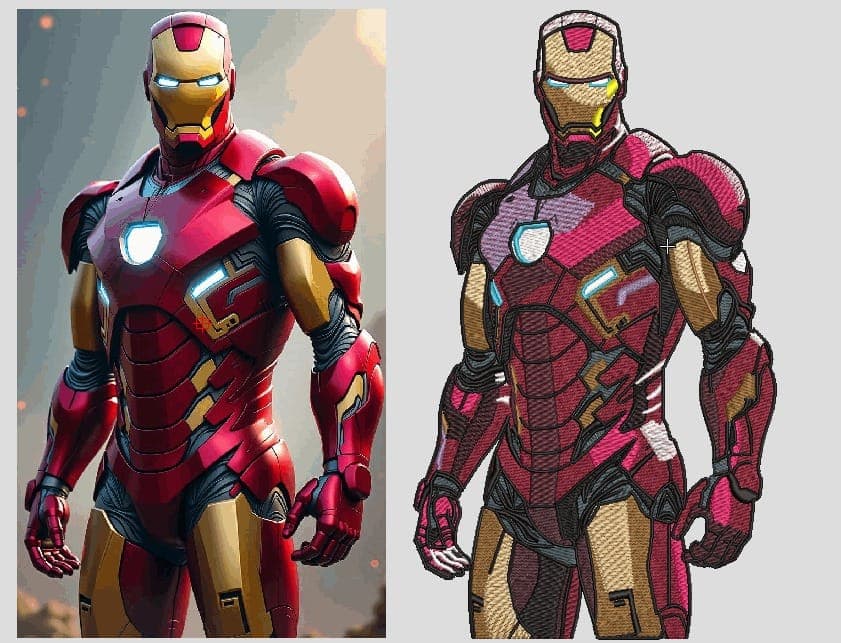
Your artwork may look perfect on a screen, but embroidery machines need much more than a high-resolution image. A logo, illustration, or lettering design must be carefully converted into stitches before it can be sewn cleanly onto garments, caps, bags, patches, and other products. This process is called embroidery digitizing, and the quality of the digitized file can directly affect the final embroidered result.
At Tajima Digitizer, we provide professional embroidery digitizing services for businesses, clothing brands, promotional companies, designers, and embroidery professionals. Our goal is simple: turn your artwork into a practical embroidery file that is ready for production.
Why Embroidery Digitizing Matters
Embroidery is not simply a matter of placing an image into a machine. A digitizer decides how the design will be built with stitches. Important details include stitch type, stitch direction, density, underlay, pull compensation, sequencing, and color changes.
Poor digitizing can lead to thread breaks, gaps, bulky areas, distorted shapes, or lettering that becomes difficult to read. Professional digitizing helps the design maintain its appearance while also making it suitable for the fabric and embroidery machine.
From Logo Artwork to Stitch-Ready Files
A good embroidery digitizing service starts with understanding the original artwork and the intended application. A small logo on a polo shirt may require a different approach from a large jacket-back design or a detailed cap logo.
Our digitizing service can be used for:
• Business and company logos
• Custom clothing and fashion designs
• Sports team uniforms
• Workwear and corporate apparel
• Hats and caps
• Embroidered patches
• Jacket-back designs
• Appliqué artwork
• 3D puff embroidery
• Custom lettering and names
Each design is prepared according to its size, fabric, placement, and embroidery requirements rather than simply converting the artwork automatically.
Logo Digitizing for Brands and Businesses
A logo is often one of the most visible parts of a uniform or branded garment. Small details need special attention because embroidery has physical limitations that do not exist in digital graphics.
Professional logo digitizing can help preserve important shapes, lettering, and color areas while keeping the stitch count practical. Whether you need a logo for polos, uniforms, jackets, bags, or promotional products, the file should be created for the actual embroidery application.
3D Puff and Cap Digitizing
Caps and 3D puff embroidery require specialized planning. Curved cap surfaces can affect stitch direction and registration, while foam-based 3D embroidery needs carefully planned columns and borders to create a raised appearance.
For these designs, stitch sequencing, underlay, density, and edge control are especially important. A properly digitized cap or 3D puff design can produce cleaner edges and a more consistent finished look.
Patch and Appliqué Digitizing
Custom patches and appliqué designs combine embroidery with additional materials or fabric. The digitizing process must define placement lines, tackdown stitches, borders, and fill areas so that each element works together during production.
Whether you need an iron-on, sew-on, or Velcro-style patch, or an appliqué design for apparel, professional digitizing can make the production process more predictable.
Multiple Machine Formats
Different embroidery machines may require different file formats. A production-ready digitizing service should make it easy to receive the format required for your equipment.
Tajima Digitizer supports common embroidery formats including DST, PES, EXP, JEF, VP3, HUS, and PCS. Providing the correct format helps you move from approved artwork to machine production with fewer compatibility problems.
What Makes a Quality Digitized File?
A quality embroidery file is more than a picture converted into stitches. It should be planned around the final product. Key considerations include:
• Appropriate stitch density for the fabric
• Correct underlay for stability
• Logical stitch sequencing
• Suitable stitch directions
• Pull and push compensation
• Clean borders and edges
• Readable small lettering
The right settings can vary depending on the design and material, so experienced digitizing requires attention to the production details behind the artwork.
Fast Turnaround Without Ignoring Detail
Embroidery businesses often work with tight production schedules. Delays in receiving a stitch file can slow down sampling, manufacturing, or customer orders. Tajima Digitizer offers fast online service with standard turnaround options and rush availability for selected projects.
Before production, it is also helpful to review a stitch-out preview or sample when available. This gives you an opportunity to check the appearance and request revisions before running a larger order.
Why Choose Tajima Digitizer?
Tajima Digitizer focuses on practical, production-ready embroidery files rather than one-size-fits-all conversions. We work with different design types and provide files suitable for common embroidery machines.
Our services include embroidery digitizing, logo digitizing, 3D puff digitizing, cap and hat digitizing, patch digitizing, appliqué, and large-format designs. We also provide revisions on applicable orders and serve customers worldwide through an online ordering process.
Get Your Design Digitized
Have a logo, drawing, or existing artwork that you want to embroider? Send your design to Tajima Digitizer and tell us where it will be used, the approximate size, and the fabric or product if known. These details help create a file that is better suited to the final application.
Professional embroidery digitizing can save time, reduce production problems, and help your finished embroidery look closer to the original artwork. Instead of treating digitizing as a simple file conversion, choose a service that considers how the design will actually be stitched.
Upload your artwork to Tajima Digitizer today and turn your design into a production-ready embroidery file.